10 практических способов снизить затраты на полировку и повысить эффективность.
Введение
Полировка — один из самых трудоемких и расходных процессов в обработке металлических поверхностей. Для производителей, следящих за прибыльностью, каждая корректировка расхода материалов, времени настройки оборудования или последовательности процесса имеет значение.
В этом руководстве представлены 10 практических методов снижения затрат на полировку и повышения эффективности, основанных на реальном опыте работы в производственной сфере, накопленном за более чем 30 лет.
полировальное оборудование и расходные материалы.
1. Выберите правильную последовательность посыпки абразивными материалами — не пропускайте этапы.
Пропуск уровней абразивности не экономит время — это обходится дороже.
Использование слишком крупнозернистого абразива (например, переход от 40# к 180#) приводит к глубоким царапинам, для удаления которых требуется несколько проходов с мелкозернистым абразивом. Каждый дополнительный проход означает больше времени, больший износ расходных материалов и больше трудозатрат оператора.
Правильный подход: Последовательно обрабатывайте поверхность абразивом разной зернистости, не более чем на один уровень дальше друг от друга. Типичная последовательность для нержавеющей стали:
40# → 80# → 120# → 180# → 240# → 320# → Польский
На первый взгляд эта последовательность действий может показаться медленнее, но общее время выполнения процесса значительно сокращается, поскольку на каждом этапе выполняется только необходимая работа.
2. Подбирайте расходные материалы в соответствии с обрабатываемым материалом — не используйте ленту неправильного типа.
Использование ленты из оксида алюминия на нержавеющей стали дает результат, но медленный. Диоксид циркония служит в 3–5 раз дольше на твердых металлах. Керамика служит еще дольше на титановых и никелевых сплавах.
Материал | Рекомендуемый абразив | Почему |
|---|
Углеродистая сталь | Оксид алюминия | Экономичный, самозатачивающийся |
Нержавеющая сталь | Синий цирконий или керамика | Для твердых материалов необходим жесткий абразив. |
Алюминий | Оксид алюминия или карбид кремния | Мягкие материалы легко загружаются |
Титан | Керамика | Чрезвычайно высокая твердость, требуется абразив премиум-класса. |
Чугун | Диоксид циркония или крупнозернистый оксид алюминия | Необходима высокая износостойкость. |
Использование подходящих расходных материалов с самого начала снижает расход ленты на одну заготовку и уменьшает общую стоимость единицы продукции.
3. Используйте правильную полировальную пасту — подбирайте пасту в зависимости от этапа обработки.
Нанесение неподходящего состава на неподходящем этапе — одна из самых распространенных и дорогостоящих ошибок в процессе полировки.
Этап грубой полировки — Используйте коричневые или зеленые полировальные пасты (с крупным абразивным действием). Нанесение мелкой пасты приводит к ее излишнему расходу и неудовлетворительным результатам.
Промежуточный этап полировки — Используйте Триполи или аналогичные соединения средней степени чистоты.
Финальная полировка / зеркальная полировка — Используйте зеленый воск, белый воск или специальные полировальные пасты в зависимости от желаемого результата. Использование грубой полировальной пасты на этом этапе царапает поверхность и требует повторной обработки.
Правильный подбор состава на каждом этапе сокращает количество необходимых проходов и продлевает срок службы вашего оборудования.
полировальные круги.
4. Внедрить профилактическое техническое обслуживание полировального оборудования.
Незапланированные простои оборудования обходятся дорого. Полировальная машина, вышедшая из строя посреди смены, нарушает весь производственный график.
Простые шаги по профилактическому обслуживанию:
- Ежедневно проверяйте натяжение и соосность ремня.
- Еженедельно смазывайте шпиндели и вращающиеся компоненты.
- Ежемесячно проверяйте патроны и приспособления на износ.
- Ежеквартально проверяйте электрические соединения и работоспособность двигателя.
- Держите запасной комплект расходных материалов на складе, чтобы смена оборудования занимала минуты, а не часы.
Затраты на профилактическое техническое обслуживание значительно ниже, чем затраты на аварийный ремонт и потери производства из-за незапланированных простоев.
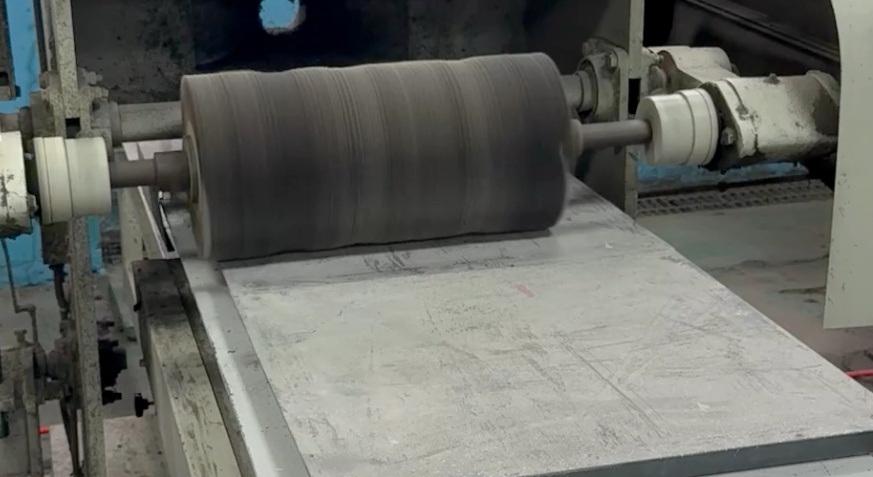
5. Оптимизация параметров станка — скорости, давления и скорости подачи.
Многие операторы постоянно работают на максимальной скорости. Это не всегда оптимально.
Скорость ленты: Более высокая скорость резки обеспечивает более быстрый рез, но и более быстрый износ лент. На чистовых этапах следует снизить скорость, чтобы продлить срок службы ленты и улучшить качество поверхности.
Скорость вращения полировального круга: Настраивайте скорость в зависимости от материала. Для мягких металлов (алюминия) требуются более низкие скорости, чтобы избежать перегрева и повреждения поверхности.
Скорость подачи: Более высокая скорость подачи сокращает время контакта с заготовкой, что уменьшает объем удаляемого материала. Для интенсивного удаления материала используйте более низкую скорость подачи. Для чистовой обработки используйте более высокую скорость подачи с меньшим давлением.
Запись и анализ параметров оборудования для каждого продукта помогают определить оптимальные настройки, обеспечивающие баланс между качеством, скоростью и сроком службы расходных материалов.
6. Сокращение времени на настройку и переналадку.
Время на переналадку — замена приводных ремней, регулировка приспособлений, замена колес — это непроизводительное время, которое увеличивает стоимость каждой обрабатываемой детали.
Практические способы сокращения времени переналадки:
- Подготовьте расходные материалы заранее, до конца смены, чтобы следующая партия оборудования была готова к работе.
- По возможности используйте системы быстросъемного зажима.
- Для минимизации масштабных переналадок объединяйте похожие товары в производственном графике.
- Составьте контрольный список для переналадки, чтобы избежать пропущенных шагов, которые могут привести к доработке.
- Стандартизировать конструкцию оснастки для аналогичных изделий, чтобы замену оснастки можно было производить без полной переналадки оборудования.
Сокращение среднего времени переналадки даже на 10–15 минут за смену напрямую приводит к увеличению производительности и снижению себестоимости единицы продукции.
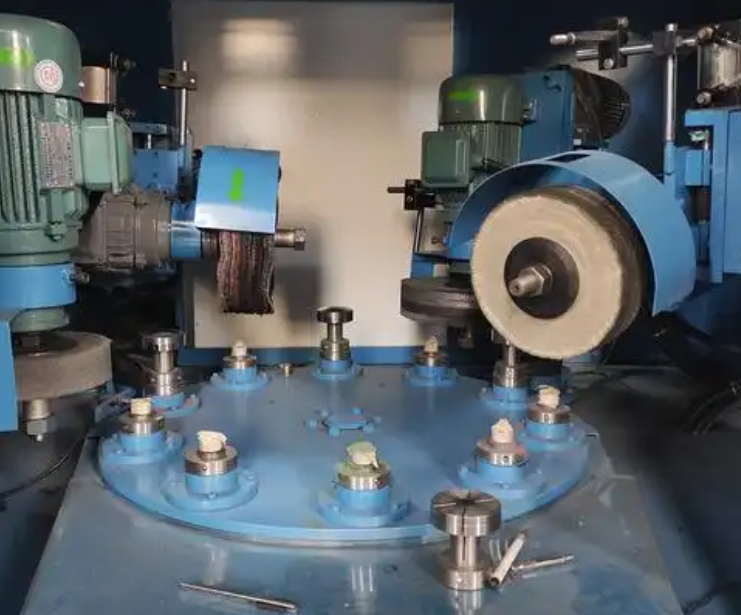
7. Контроль затрат на рабочую силу за счет надлежащего обучения.
Недостаточно квалифицированный оператор создает три проблемы: низкое качество продукции, большие потери расходных материалов и низкую производительность. Все три проблемы приводят к финансовым потерям.
Основные области обучения:
- Правильная установка и натяжение ремня.
- Правильное нанесение шпаклевки (слишком много шпаклевки = пустая трата; слишком мало = плохое качество отделки).
- Правильная техника полировки (пусть ремень сам выполнит работу — чрезмерное давление приводит к более быстрому износу ремней).
- Распознавание признаков застекления, перегрузки и повреждения приводных ремней.
- Базовое техническое обслуживание и устранение неисправностей оборудования.
Хорошо обученные операторы используют меньше расходных материалов на одну заготовку, допускают меньше доработок и работают на станках более эффективно. Обучение — одна из наиболее выгодных инвестиций в любой полировальный цех.
8. Сократите объем доработок за счет контроля качества в процессе производства.
Выявление дефекта отделки на этапе полировки обходится дорого. Выявление его до полировки — на этапе шлифовки или удаления окалины — обходится гораздо дешевле.
Внедрение производственных процессов для обеспечения качества:
- Перед полировкой осмотрите поверхность заготовки. Удалите окалину, ржавчину или дефекты литья до того, как они создадут проблемы при полировке.
- Перед полировкой проверьте геометрию и размеры заготовки — полировка не исправляет погрешности размеров.
- Вместо того чтобы ждать окончательной проверки, следует проводить простую визуальную проверку между каждым этапом полировки.
Даже небольшое сокращение объема доработок существенно снижает общую себестоимость производства одной детали.
9. Закупайте оборудование и расходные материалы у одного поставщика.
Когда поставщики оборудования и расходных материалов — разные компании, возникают проблемы совместимости. Машина, настроенная на определенную спецификацию ленты, может плохо работать с лентой другой марки.
Сотрудничество с одним поставщиком как оборудования, так и расходных материалов означает:
- Расходные материалы предварительно подобраны в соответствии с техническими характеристиками вашего оборудования.
- Техническая поддержка охватывает всю систему — оборудование и расходные материалы в совокупности.
- Более быстрое решение возникающих проблем (без взаимных обвинений между поставщиками).
- Упрощенное управление закупками и складскими запасами.
Компания YLOZ поставляет как полировальное оборудование, так и полный ассортимент расходных материалов — полировальные ленты, шлифовальные круги, полировальные пасты — подобранных для работы в составе интегрированной системы.
10. Регулярно проводите аудит своих процессов — измеряйте результаты и улучшайте их.
Наиболее экономически эффективные предприятия по полировке объединяет одна общая черта: они измеряют эффективность своего процесса.
Что отслеживать:
- Стоимость одной заготовки (расходные материалы + трудозатраты + машинное время)
- Срок службы ремня или колеса (количество штук на одну замену расходного материала)
- Доля доработок (процент заготовок, требующих повторной полировки)
- Время безотказной работы оборудования (производительные часы против времени простоя)
- Время переналадки на одну установку
Просматривайте эти показатели ежемесячно. Выявите основные факторы, влияющие на затраты, и в первую очередь сосредоточьте усилия на их улучшении. Даже небольшие улучшения в сроке службы расходных материалов или уровне доработки в совокупности приводят к значительной ежегодной экономии.
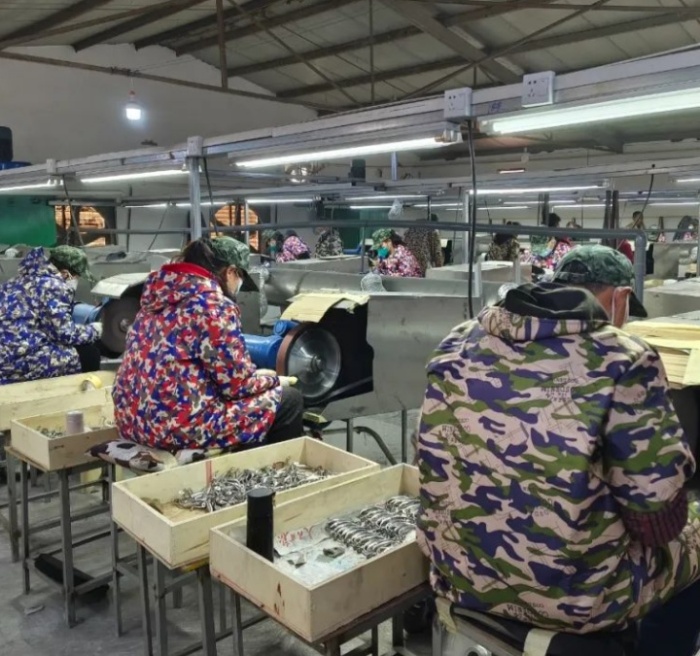
Краткое содержание: Быстрые достижения, которые можно начать уже сегодня.
Действие | Влияние | Усилие |
|---|
Исправить последовательность обработки абразивом | Высокий | Низкий |
Подбирайте расходные материалы в соответствии с требованиями. | Высокий | Низкий |
Надлежащим образом обучайте операторов. | Высокий | Середина |
Внедрить внутрипроцессные проверки. | Высокий | Середина |
Отслеживание стоимости каждой детали | Середина | Низкий |
Сокращение времени переналадки | Середина | Середина |
Оптимизация параметров оборудования | Середина | Середина |
Профилактическое техническое обслуживание | Середина | Низкий |
Один поставщик оборудования и расходных материалов. | Середина | Низкий |
Регулярный аудит процессов | Середина | Низкий |
Нужна помощь в оптимизации процесса полировки?
Компания YLOZ предоставляет консультации по процессам полировки производителям, стремящимся снизить затраты и повысить качество. Расскажите о вашем текущем процессе, используемых материалах и проблемах — техническая команда YLOZ порекомендует практические решения для его улучшения.
Свяжитесь с YLOZ
WhatsApp: +86-13928855603 Email: suery@yl-polishing.com Вебсайт: www.yl-polishing.com


 Pусский