Введение
Правильный выбор автоматической полировальной машины может как обеспечить успех, так и привести к провалу вашей операции по обработке поверхностей. Правильный выбор обеспечит стабильное качество, снижение затрат и повышение производительности. Неправильный выбор приведет к дорогостоящим простоям, постоянным переделкам и недовольству операторов.
Хорошая новость? При наличии четкой структуры принятие решения становится намного проще. В этом руководстве мы расскажем вам о 7 ключевых вопросах, на которые необходимо ответить перед покупкой.
Вопрос 1: Какие типы заготовок вы полируете?
Это самый фундаментальный вопрос. Разные формы требуют разных конструкций машин.
- Небольшие плоские или слегка изогнутые детали (компоненты для часов, комплектующие, электронные детали) → Дисковые полировальные машины Они идеально подходят. Вращающиеся диски с полировальными кругами эффективно справляются с этой задачей.
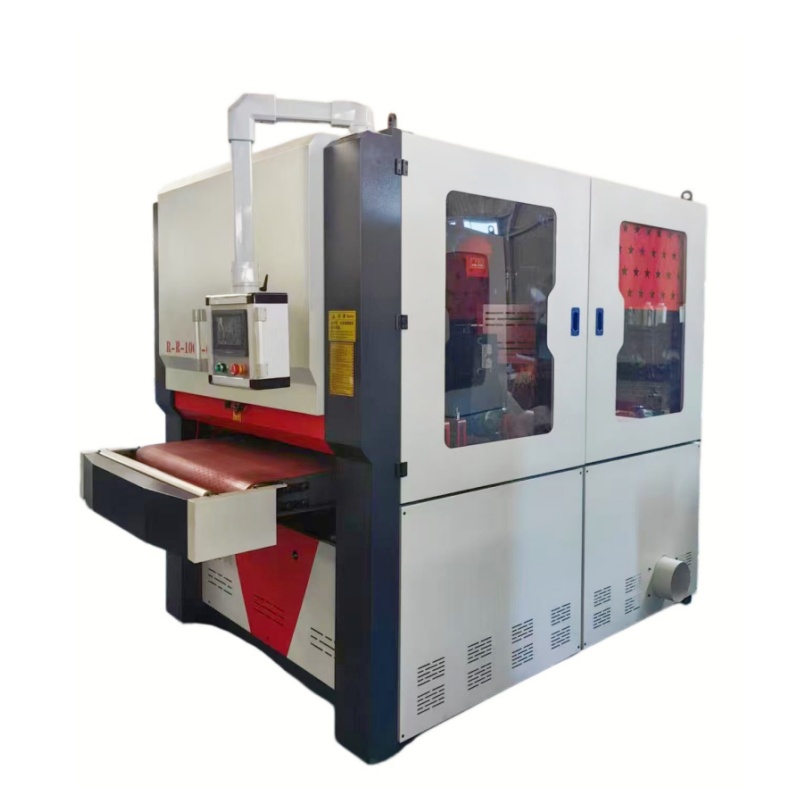
- Большие плоские панели (листы из нержавеющей стали, мебельные панели) → Станки для полировки плоских поверхностей обеспечить необходимую широкую площадь контакта.
- Цилиндрические или трубчатые детали (трубы, стержни, корпуса кухонной посуды) → Роторные полировальные машины предназначены именно для этого.
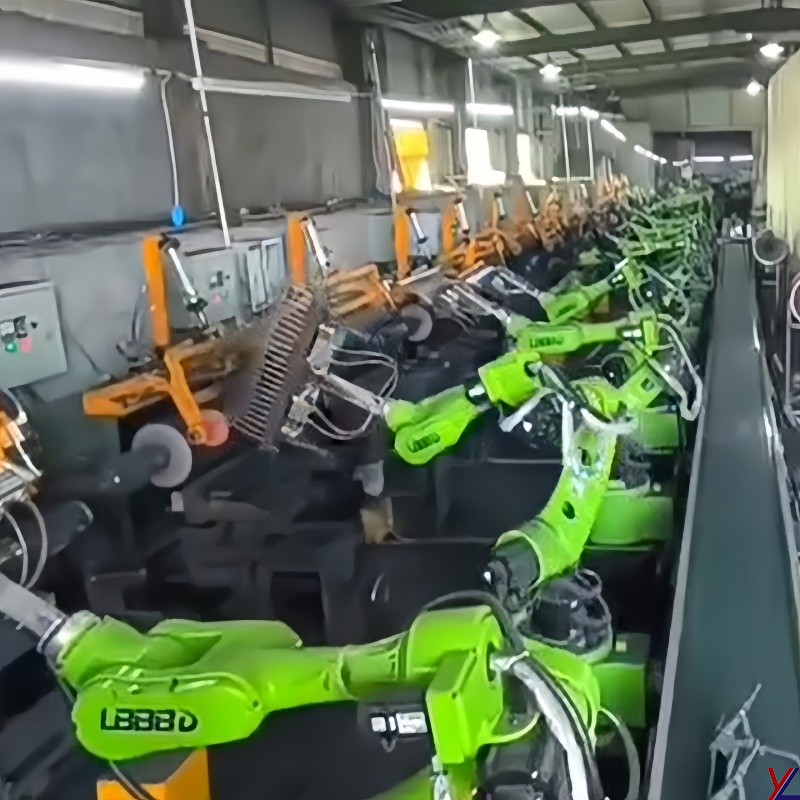
- Неправильные формы с углублениями (сантехника, скульптурные элементы) → Роботизированные полировальные круги могут достигать мест, недоступных для машин с неподвижной головкой.
Кончик: Если вы обрабатываете несколько типов заготовок, отдавайте приоритет наиболее часто выпускаемой продукции. Изделия меньшего объема всегда можно обрабатывать на другом оборудовании.
Вопрос 2: С каким материалом вы работаете?
Разные металлы по-разному реагируют на полировку. Материал влияет на всё, от выбора полировального круга до настроек скорости.
Материал | Характеристики | Соображения |
|---|
Нержавеющая сталь | Твердый, прочный | Требуется пошаговая шлифовка; необходима система пылеудаления. |
Алюминий | Мягкий, легко царапается | Требуются колеса с более мягким ходом; рекомендуется более низкая скорость. |
Латунь / Медь | Мягкая поверхность, придает блеск. | Более мягкие составы; легко переполировать. |
Чугун | Хрупкий, пористый | Сначала удалите литой слой; перед полировкой выполните зачистку. |
Цинк / Замак | Литой металл | Похожа на алюминий; будьте осторожны с давлением. |
Главный вывод: Полировка нержавеющей стали — наиболее распространенный, но и наиболее требовательный процесс. Убедитесь, что любой станок, который вы рассматриваете, эффективно справляется с обработкой нержавеющей стали.
Вопрос 3: Какая степень обработки поверхности вам необходима?
Необходимое количество этапов полировки определяет требуемый уровень чистоты поверхности, а также то, будет ли достаточно простой одношпиндельной машины.
- Зеркальная полировка (№8 / яркая полировка) → Требуется 3–5 последовательных этапов с постепенно уменьшающейся тонкостью компаунда. Вам понадобится либо многоголовочная машина, либо многопроходный процесс.
- Матовая/шлифованная отделка (№4) → Часто этого можно добиться за 1–2 прохода. Может быть достаточно шлифовки щеткой или одноэтапной полировки.
- Обезжиренная / промышленная очистка → Чаще всего обработка осуществляется с помощью моечных систем, а не полировки.
Задайте себе вопрос: Требуют ли мои клиенты зеркальную полировку, или приемлема и матовая? Один-единственный ответ на этот вопрос значительно сужает ваш выбор.
Вопрос 4: Какой у вас объем производства?
Технические характеристики и бюджет оборудования для управления объёмными приводами.
- Низкий объем (<500 деталей в день) или производство с широким ассортиментом продукции → Удобный однопозиционный станок позволяет быстро настроить его для производства различных изделий.
- Средний объем производства (500–2000 деталей в день) → Рассмотрите двухпозиционные станки, позволяющие загрузку во время полировки, что сократит время простоя.
- Большой объем производства (>2000 деталей в день) → Полностью автоматизированные многоголовочные линии или конвейерные системы оправдывают инвестиции.
Не покупайте лишнего. Простая одностанционная машина, работающая эффективно, зачастую превосходит по производительности сложную систему, которая никогда не была должным образом настроена.
Вопрос 5: Вам нужна влажная или сухая обработка?
При влажной полировке вода используется для подавления пыли, охлаждения заготовки и улучшения качества поверхности. При сухой полировке применяются системы пылеудаления.
Преимущества мокрой обработки:
- Более высокое качество обработки поверхности
- Отсутствует риск образования взрывоопасной пыли.
- Более низкая температура работы, отсутствие повреждений от перегрева
Преимущества сухой обработки:
- Управление водными ресурсами не требуется.
- Подходит для работ, чувствительных к коррозии.
- Часто более короткие циклы
Рекомендация: Для большинства видов полировки металла, особенно нержавеющей стали, предпочтительны системы влажной полировки из-за высокого качества и безопасности. Выбирайте оборудование со встроенной циркуляцией воды или совместимым системой влажной пылеудаления.
Вопрос 6: Каковы ваши ограничения по площади?
Перед тем как оценивать оборудование, измерьте доступную вам площадь. Учтите следующее:
- Габариты станка (включая место для загрузки/выгрузки деталей)
- Место для размещения вспомогательного оборудования (пылесборников, резервуаров для охлаждающей жидкости, конвейеров).
- Доступ оператора и допуск по технике безопасности
Про кончик: Мокрые ленточные шлифовальные станки и системы пылеудаления часто требуют больше места, чем сам полировальный станок. Учитывайте это с самого начала.
Вопрос 7: Какой у вас бюджет и сроки окупаемости инвестиций?
- Количество полировальных головок
- Уровень автоматизации (ручная загрузка против роботизированной загрузки)
- Бренды, предлагающие качественные комплектующие и продукцию высокого качества.
- Пропускная способность
Рассчитайте свой ROI: Если ручная полировка обходится вам в 3 доллара за деталь за работу, а автоматический станок снижает эту стоимость до 0,80 доллара за деталь, то станок стоимостью 30 000 долларов окупится примерно за 13 000 деталей.
Практическая отправная точка
Если вы только начинаете осваивать автоматическую полировку или хотите перейти от ручных процессов к автоматизированным, вот полезное справочное руководство:
- Для мелких деталей и прецизионных элементов. (Часы, электроника, ювелирные изделия): Многоголовочный дисковый полировальный станок, как правило, является лучшим вариантом для начала. Ищите модели с 2–4 головками, которые могут обрабатывать несколько этапов за один проход.
- Для плоских поверхностей и общей обработки металла.Одно- или двухпозиционный плоскошлифовальный станок подходит для широкого спектра применений и относительно прост в эксплуатации и обслуживании.
Заключение
Выбор автоматической полировальной машины не должен быть сложной задачей. Начните с этих 7 вопросов:
✅ Тип заготовки
✅ Материал
✅ Завершение целевого этапа
✅ Объем производства
✅ Влажный или сухой процесс
✅ Свободное место
✅ Бюджет и рентабельность инвестиций
Ответьте на эти вопросы честно, и вы быстро поймете, что выбор подходящего оборудования значительно сузится. Цель состоит не в том, чтобы купить самое дорогое оборудование, а в том, чтобы приобрести то, которое наилучшим образом соответствует вашим конкретным производственным потребностям.
Нужна помощь в оценке доступных вариантов?
В компании YL Polishing мы специализируемся на автоматических полировальных станках, мокрых ленточных шлифовальных машинах, системах полировки дверных петель и промышленном очистном оборудовании. Независимо от того, управляете ли вы небольшой мастерской или крупномасштабной производственной линией, мы поможем вам подобрать подходящее оборудование.
👉 Посетите
www.yl-polishing.com Ознакомьтесь с полным ассортиментом нашей продукции и получите индивидуальные рекомендации, соответствующие вашим производственным потребностям.


 Pусский